
Album Spotlight: Big Love for Mon Rovîa’s Bloodline
“Big Love for Mon Rovîa’s Bloodline” by Mallory Durkin
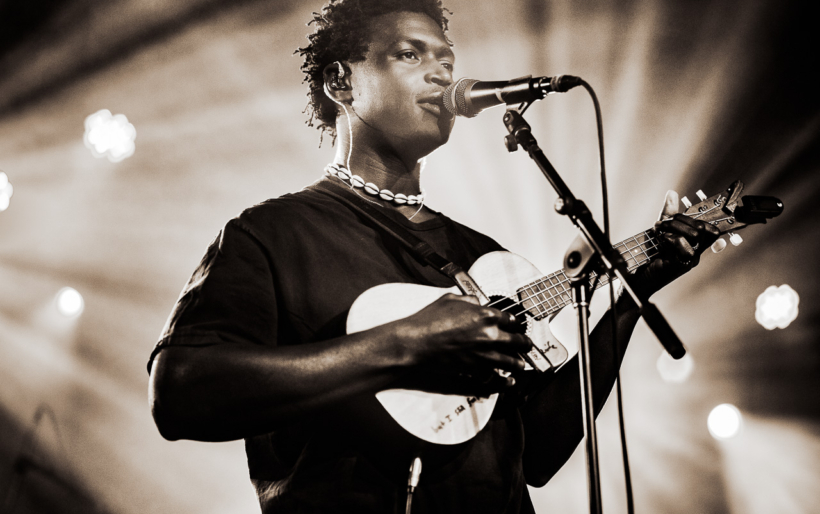
Mon Rovia Performs at Brooklyn Bowl. Philadelphia, Pennsylvania. (November 2025). Courtesy of Emma Zoe Polyak.
“Resistance shouldn’t be solemn, but celebrated,” declares artist Mon Rovîa. This sentiment encompasses what he does best with his music: framing resistance as a source of hope, unity, and collective empowerment, rather than something worthy of fear or pity. With the refrain, “no they never gonna keep us all down,” he highlights the idea of shared resilience and strength of communal action.
Mon Rovîa’s resistance takes shape through his storytelling.
Without heavy-handed commentary, Mon Rovîa layers his experiences over the quiet strum of his ukulele, letting history speak for itself. Poignant memories of children with AK-40s, “left to fight the war again.” Between “banyan trees, cassava leaves, [and] war-torn screams,” memories of Mon Rovîa’s childhood are shaped by both beauty and devastation in the opening track, “Black Cauldron,” of his debut (2026) album Bloodline.
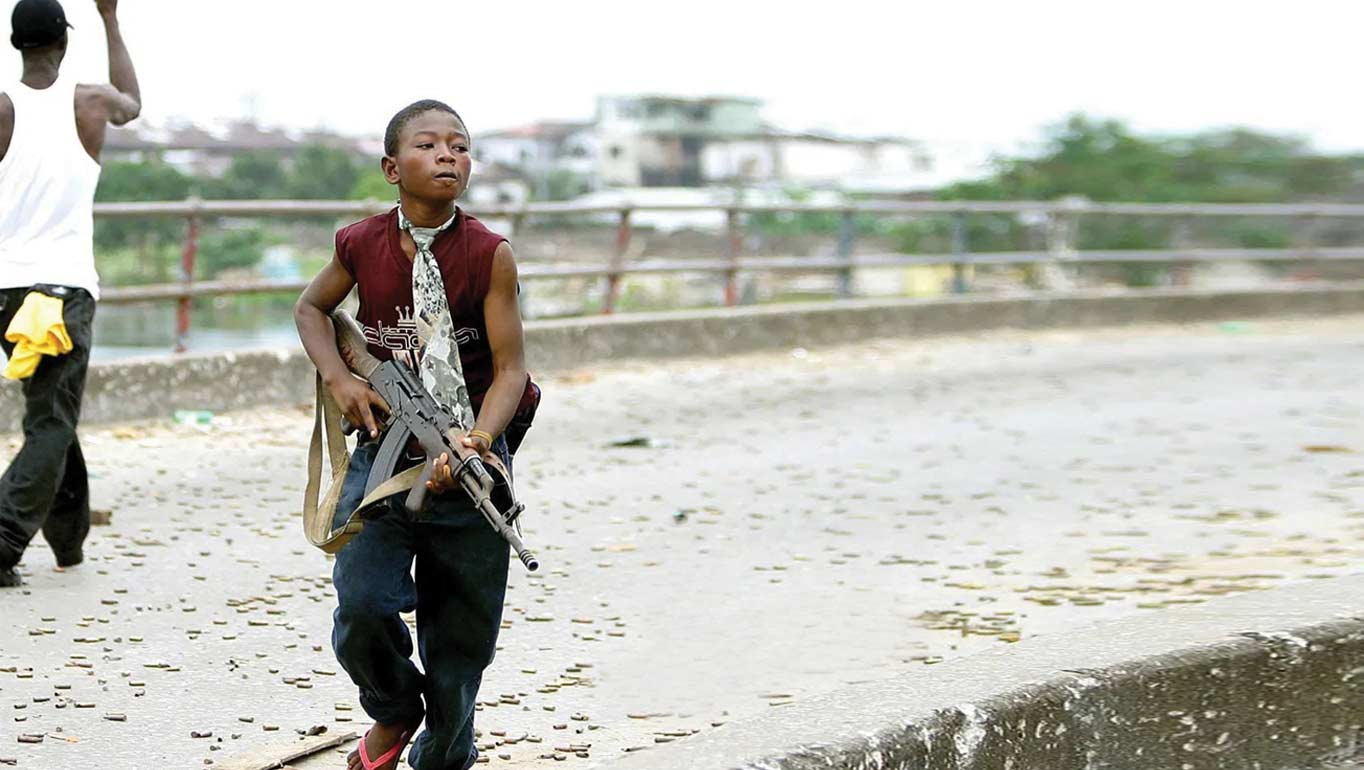
Liberian Child Soldier. (2023). Courtesy of Chris Hondros/Getty Images.
https://untoday.org/my-work-helping-child-soldiers-return-to-their-families/
His stage name pays homage to his birthplace: Monrovia, Liberia. Archival audio in Track 2, “Pray the Devil back to Hell,” recalls “the city of Monrovia dissolv[ing] into chaos amidst the worst street fighting in seven years of civil war.”
Bloodline explores Mon Rovîa’s search for identity, heritage, and understanding. After burying his mother and his father, Mon Rovîa was adopted at seven years old by Christian missionaries and brought to the United States, where he settled in Chattanooga, Tennessee in the foothills of the Appalachian Mountains. Since then, he has been fighting to decipher who he is and where he comes from, returning again and again to a central refrain.
The repetition of the title “Whose face am I?” Is not just lyrical, it is existential, offering a glimpse into the echoes of his mind. The question is woven throughout the record as Mon Rovîa searches for recognition in a reflection, singing of a “yearning in [his] soul for a name [he’ll] never know.”
“Whose face am I” opens on an intimate phone call with a sibling, addressing the artist by his birth name, Janjay. It reveals a quiet truth: his father, a Senegali, left, never knowing his mother was pregnant. This vulnerable moment reverberates in the album’s title track, opening with a choir singing, “Thou my great Father, I Thy true son.” Ukulele strums intertwine with choir harmonies, underscoring Mon Rovîa’s lament that he can never truly know his heritage, and framing the album’s exploration of familial ties, loss, and belonging.
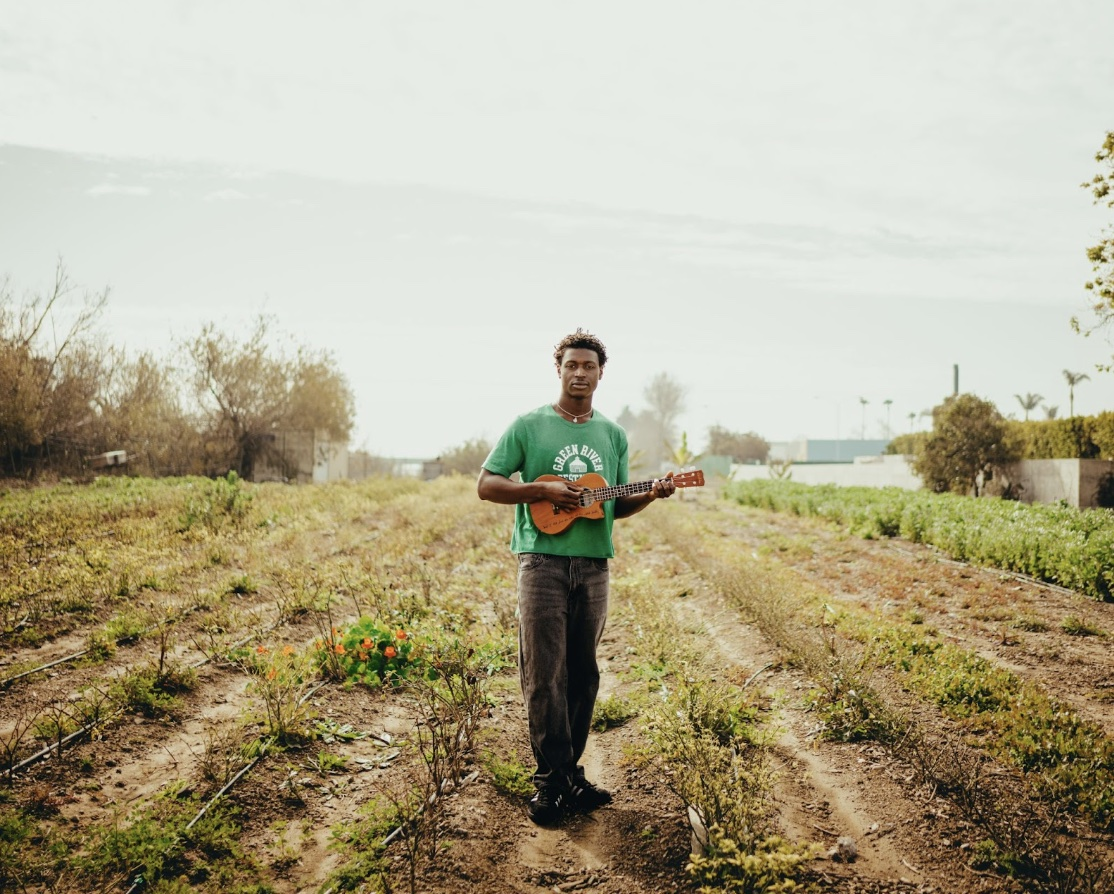
Mon Rovia. (2026). Courtesy of Cameron Driskill.
https://atwoodmagazine.com/mon-rovia-bloodline-debut-album-review/
Mon Rovîa balances his fragility and disorientation with resilience and tranquility, reflecting in “Running Boy,” about the “peace [that] washe[s] over [him].” He resists cynicism, despite his understanding of the dark realities of the world, returning instead to a steady refrain: “love knows no sides, putting an end to all the fight.”
A self-proclaimed ‘Afro-Appalachian folk’ artist, Mon Rovîa brings a distinctive, spiritual quality to his music: hymn-like in its warmth and resonance. He weaves together acoustic folk harmonies, ukulele strums, and the swell of organs and church choirs, carrying deeply personal storytelling through devastating stories and quiet anecdotes. Yet even with the weight of his subject matter, his melodies remain light, catchy, and inviting, rendering his work strikingly accessible. Speaking with The Bluegrass Situation, he reflects on not always feeling welcome in the folk scene as a Black man in the South, and on the evolution of his relationship to the genre: he has come to “reclaim [folk music] as [it has] found me unknowingly… It’s a beautiful thing.”
In an interview with CNN, Mon Rovîa refers to “the magic carried in the boy [Sammie, in the 2025 film Sinners] who sings with the voice of his ancestors… to help his people along the way.” The connection feels deeply personal for Mon. With roots in West Africa, his own story echoes that of the film’s protagonist – something that he embeds in the imagery of his art. Scouting a Tennessee barn for his “Heavy Foot” music video, the parallels are striking.
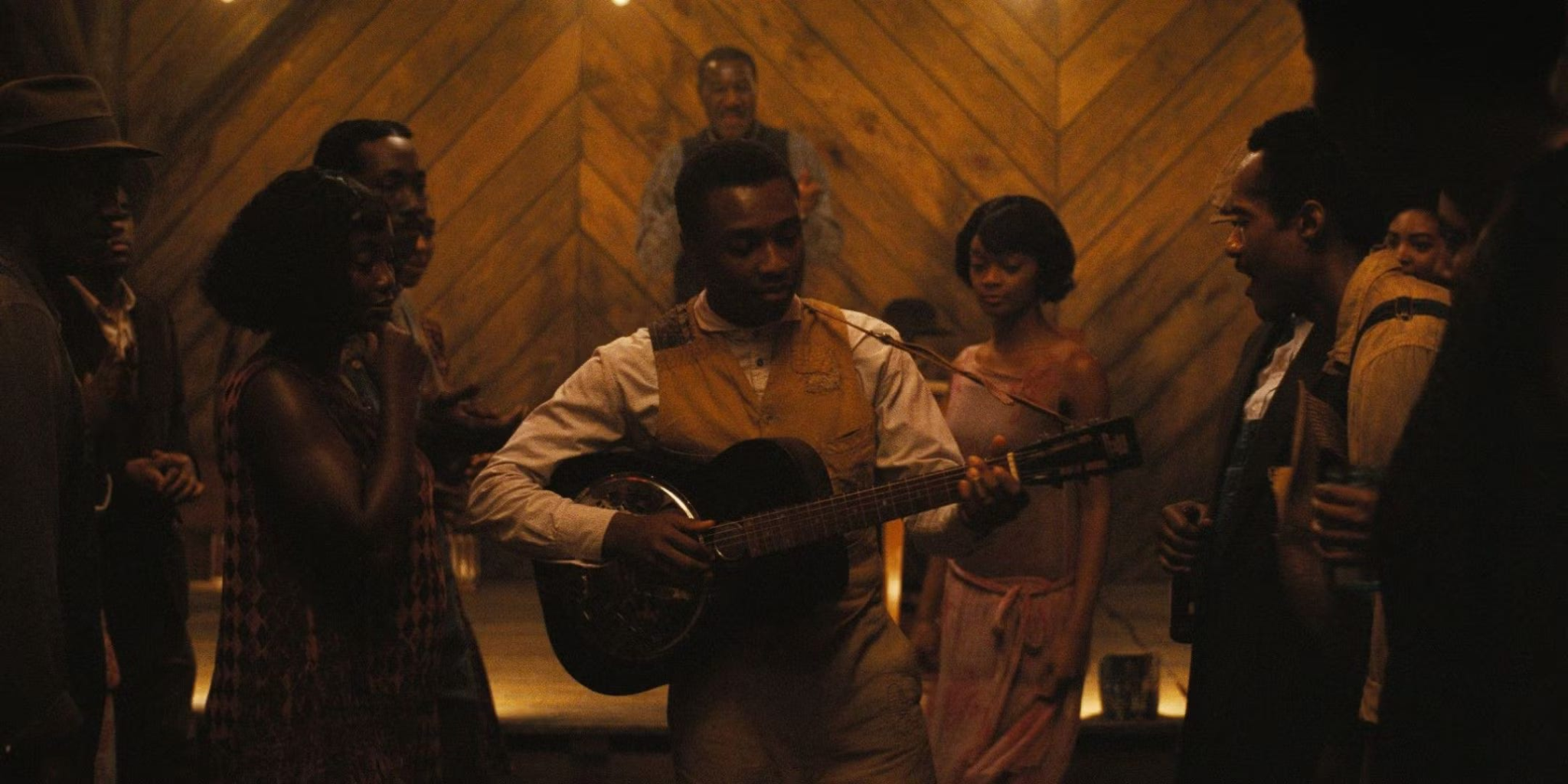
Sammie, Sinners. (2025). Courtesy of Warner Bros. Pictures. https://www.vanityfair.com/hollywood/story/sinners-actor-miles-caton-sammie-interview?srsltid=AfmBOoootM2Tws4R03GDJVBFVZvz92Fqw4JYONzptViLd02i7tG-FDr-
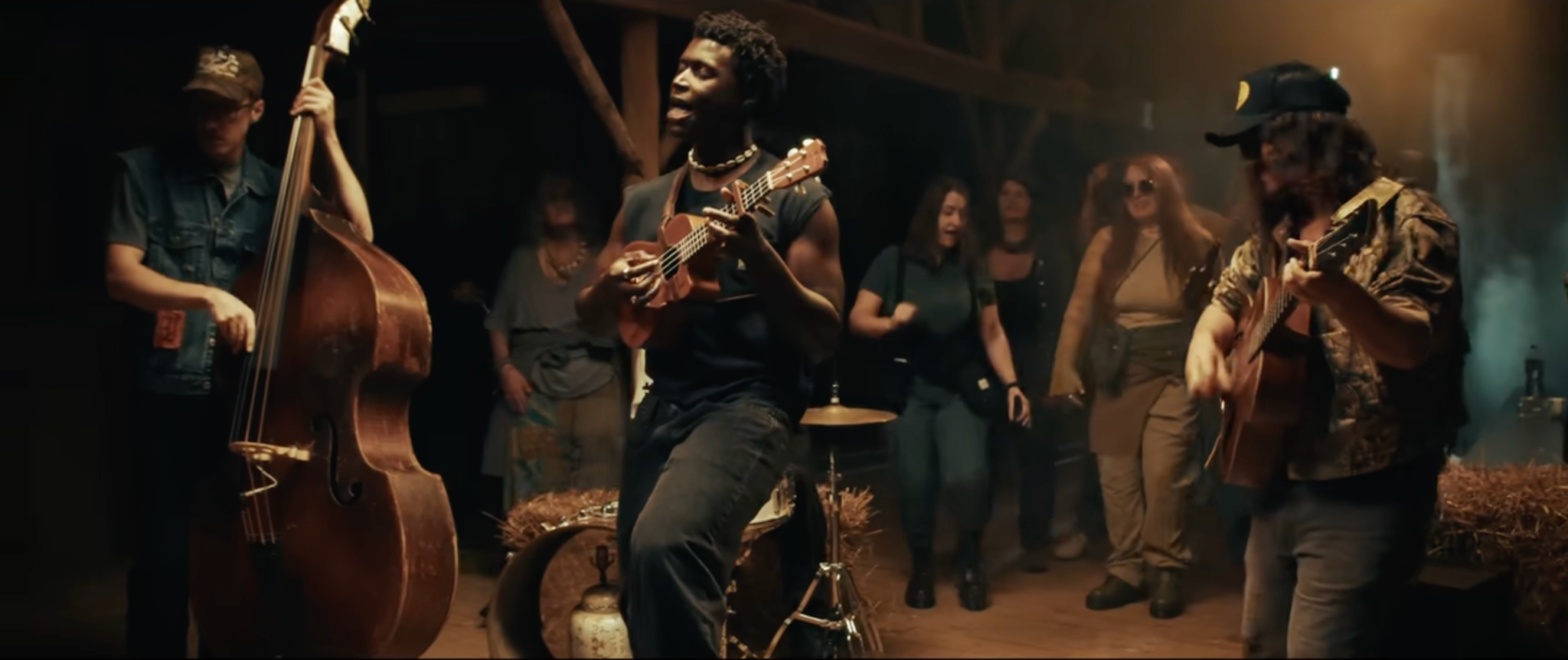
“Heavy Foot” Official Music Video. (2025). Courtesy of Vevo. https://www.youtube.com/shorts/v_E0qgIgWsk
“Heavy Foot,” the defining single of Bloodline, highlights Mon Rovîa’s light, yet striking, vocal tone. He told Vevo the track is “meant to be a joy,” though its warmth is layered with quiet urgency. Lyrics like “Calling it a war and not a genocide, telling us it’s not what it seems,” and “Ain’t it funny how far we came, for them to go and change the name” push listeners to examine the narratives imposed on past and present history.
While the song reflects one chapter of his personal story, escaping violence, war, and injustice in Liberia, its message extends beyond the past. A 2025 Instagram caption suggests that the song’s themes remain deeply relevant, underscoring how its call for awareness and critical reflection continues to resonate in the present.
Heavy Foot is a song for our time
the one we are living in.
May it fuel,
may it awaken.
Free yourself from this ant hill.
Free yourself
and find your will.
Resistance shouldn’t be solemn,
but celebrated.
Unity through what may come
For the tide decides nothing.
Only our reply.
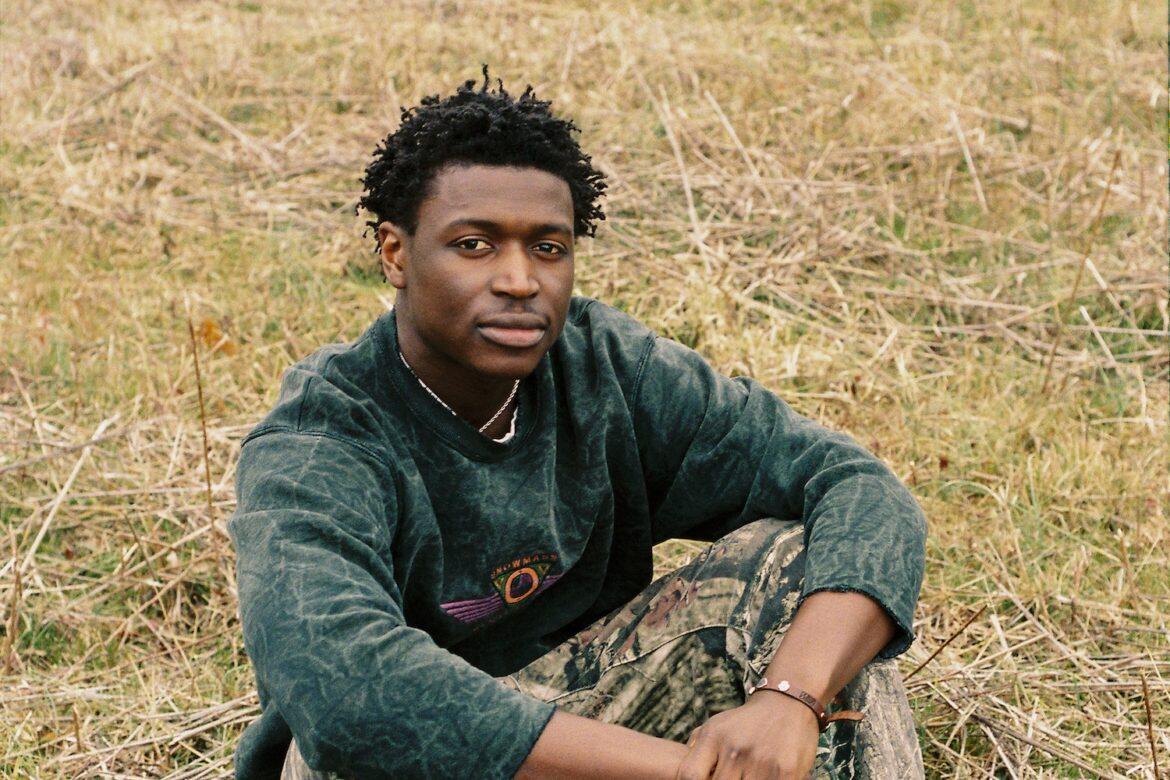
Mon Rovia. (2026). Courtesy of Zayne Islom.
https://atwoodmagazine.com/mon-rovia-bloodline-debut-album-review/
Bloodline closes on an anthem of hope, “Where the mountain meets the sea” commits to gratitude and connection over greatness, reminding the listener that “life is short [but is] made long through love.”
Mon Rovîa’s final words on the album are tender and reflective:
Something came to me that I forgot, in the last seconds of this, so
And through all of man’s tirade, a few of us believe in something beyond ourselves
And I can say this with absolute joy, that I am so happy…
Truly, to exist the same time as you
Man, what a time.
Big Love and big things are ahead for rising star Janjay Lowe, Mon Rovîa. Man, what a time.
Tracklist for Mon Rovîa’s Bloodline:
“Black Cauldron”
“Pray the Devil back to Hell”
“Day at the soccer fields”
“Bloodline”
“A Foreshadowing”
“Little by Little”
“Old Fort Steel Trail”
“Whose face am I”
“Running Boy”
“Field Song.”
“Somewhere down in Georgia”
“Oh Wide World”
“Code of many colors”
“Heavy Foot”
“Infinite Pines”
“Where the mountain meets the sea”
Label: https://nettwerk.com/
Website: https://monroviaboy.com/
“Heavy Foot” Music Video: https://www.youtube.com/watch?v=vyXccqTlhoI
“Bloodline” Music Video: https://www.youtube.com/watch?v=Q3NU7IRdT4g
“Running Boy” Music Video: https://www.youtube.com/watch?v=74hk7g0zeso
“Heavy Foot” Live in Denver: https://www.youtube.com/watch?v=RO-AFAZdiuY
Listen to KSUA 91.5: https://stream.radio.co/se776fab22/listen
Listen to more Mon Rovîa: https://open.spotify.com/artist/6pvai2QB2c0defVI0UTFos